


Joint pain is a specific discomfort that indicates a pathological process in the joint itself or in the tissues surrounding it.According to statistics, about 55% of people over the age of 45 consult a doctor with such complaints.And after 70 years, this symptom appears in 90% of patients.Why are there unpleasant sensations?What to do if your joints really hurt?Which specialist should I contact for help?
Why do joints hurt?
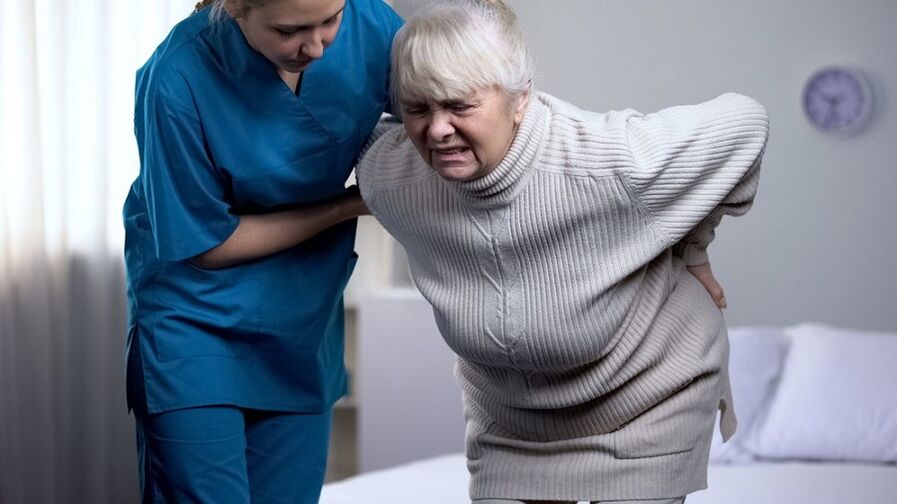
Painful sensations in the joints are the result of irritation of the nerve endings protruding from the joint capsule.Thanks to the fairly developed vascular network and good innervation, the joint is able to respond to pain reactions caused by various irritating factors (including toxins, salt crystals).
The main causes of joint pain:
- mechanical damage (as a result of injury or surgery);
- soft tissue diseases (adhesive capsulitis, myalgia, tendinopathy);
- osteoarthritis;
- arthritis (post-traumatic, gouty, psoriatic);
- autoimmune diseases (rheumatoid arthritis, lupus erythematosus, dermatomyositis);
- benign and malignant tumors;
- damage to nerve trunks.
Many people associate joint pain with changing weather conditions.However, in 2016, scientists from Australia's Collings University published a study that completely refuted this claim.More than three hundred volunteers took part in the study: all of them had pain for 3-4 months.It turned out that neither the occurrence nor the intensity of pain is related to changes in atmospheric pressure or temperature.
Which doctor should I contact for help?
If your joints are very painful, you should see a specialist as soon as possible.If the cause of the discomfort is associated with an injury (bruise, dislocation or fracture of various degrees), then you should visit an orthopedic traumatologist.In other cases, you should seek help from a rheumatologist.In order to accurately identify the cause of pain and prescribe treatment, diagnostic procedures will be required:
- radiography of the joint;
- ultrasound examination;
- MRI or CT (only in justified cases);
- joint puncture (if fluid has accumulated in the joint);
- arthroscopy.
How can joint pain be reduced?

In order to eliminate discomfort in the joints, you can use non-steroidal anti-inflammatory drugs.They reduce the severity of pain and relieve swelling.Anti-inflammatory ointments, creams and gels applied to the affected joint have the same effect.
In the case of degenerative joint diseases (osteoarthrosis), chondroprotectors are indicated, which slow down the process of cartilage tissue destruction.They are also available in the form of capsules, ointments and gels, tablets and intra-articular injections.
Regular physical therapy also has a good effect.Correctly chosen exercises help to get rid of pain and stiffness, as well as restore the mobility of the joints.Physiotherapy procedures can be used as additional treatment methods: massage, magnetic therapy, electrophoresis with various drugs.